Data-Informed Instruction
Adjust instruction based on real-time student data
Data-informed instruction calls on professors to use real-time, disaggregated data to inform proactive practices, allowing them to identify challenges quickly and make adjustments at the class level throughout the duration of the course.
Professors can also use student learning data to provide personalized and differentiated instructional pathways for students. By leveraging this practice, professors enable students to analyze their own course-specific data to understand their learning habits and practice metacognition, track progress toward learning goals, and receive just-in-time feedback on primarily on math, chemistry, and statistics gateway courses. These examples focus primarily on math, chemistry, and statistics gateway courses, but are applicable across disciplines.


Key Dimensions of
Data-Informed Instruction

Collection of real-time data
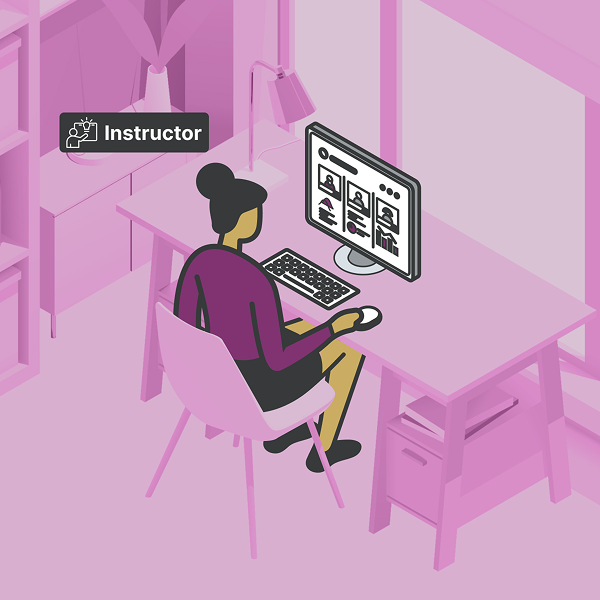
Professors continuously collect real-time data to inform their instruction, which may include data on student interactions with courseware products, assignment completion, and engagement metrics. Professors gain a dynamic and current snapshot of student performance and participation throughout the course.
Disaggregated data analysis
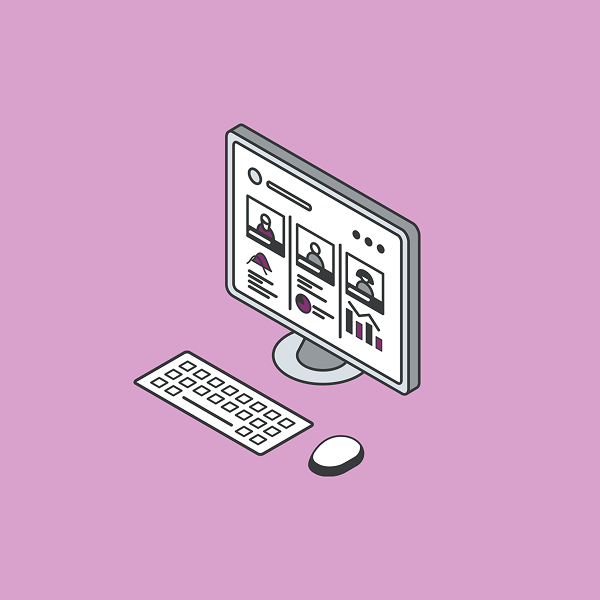
Professors engage in a thorough analysis of the collected data, breaking it down by ethnicity, race, gender, native language, and other factors, to gain insights into individual and group performance. This disaggregated data analysis enables professors to better understand the needs of their students, tailor interventions to address specific challenges, and promote equitable learning outcomes.
Proactive interventions and adjustments
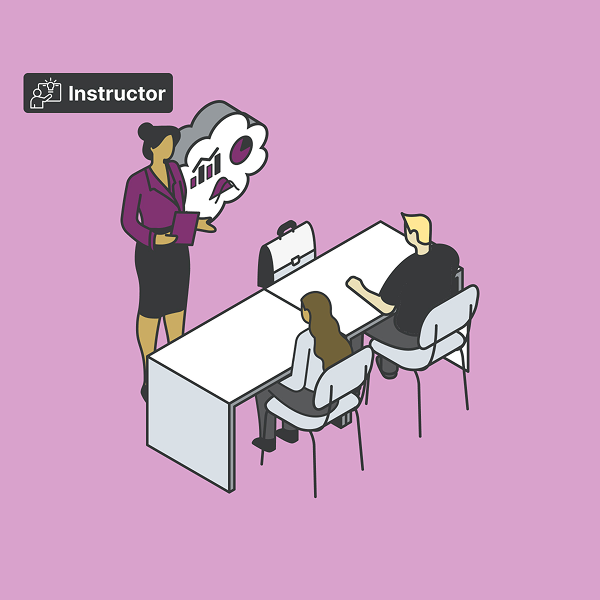
Informed by insights from data analysis, professors proactively intervene to address challenges and make timely adjustments to their teaching strategies. They respond to student needs promptly, fostering a more supportive and responsive learning environment.
Instructional Examples & Submissions
Instructional Examples
The Instructional Example Library features a wide range of digitally-enabled examples sourced directly from instructors who are using technology to implement evidence-based teaching practices in their courses. These examples focus primarily on math, chemistry, and statistics gateway courses, but are applicable across disciplines.
Visit the Instructional Example Library

Have an Example of Your Own?
Help us build our Instructional Example Library! We are looking for contributions from higher education instructors across disciplines who use technology to enable evidence-based teaching practices. To learn more and to submit an example, please visit the form page linked below. Thank you for helping us support the field.
Submit an ExampleFurther Reading
- "Disaggregating Learning Data to Support Equity Efforts," written by Every Learner Everywhere, offers professors a guide to gather and effectively act upon disaggregated data throughout their courses.
Explore Another Practice
Active Learning
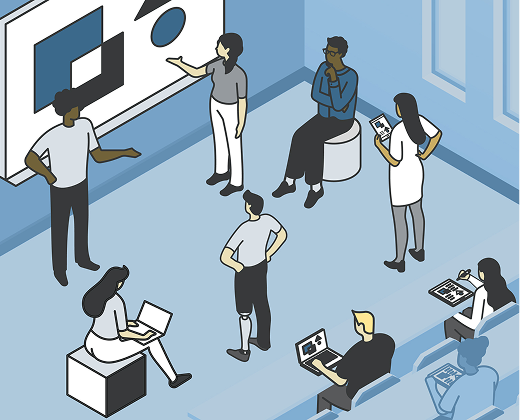
Decrease professor lecture time and increase student participation in learning.
Learn More
Assessing & Activating Prior Knowledge
Determine what students already know and integrate their experiences into learning.
Learn More

Formative Assessment & Practice
Deploy a frequent, low-stakes way to monitor student learning.
Learn More