Formative Assessment & Practice
Deploy a frequent, low-stakes way to monitor student learning
Through formative assessment, students have multiple opportunities to engage, apply, and practice new knowledge, concepts, and skills. Throughout the process, they receive timely, non-punitive, constructive, and targeted feedback.
Professors can use formative assessment to identify opportunities for differentiated instruction and to tailor high-stakes summative assessment. For students, formative assessment fosters increased self-confidence and higher levels of comprehension while also normalizing mistakes as a part of the learning process.


Key Dimensions of
Formative Assessment & Practice

Frequent opportunities to practice
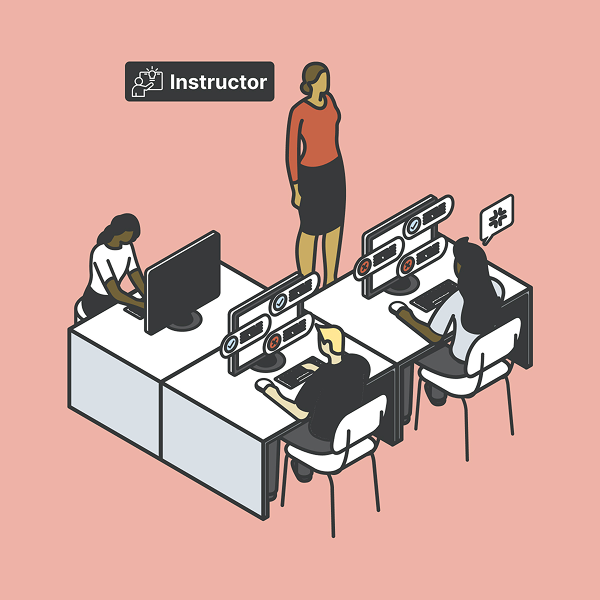
Students have frequent opportunities to apply and reinforce their understanding of course materials, allowing them to refine their skills and build confidence as they progress. Ultimately, this contributes to deeper comprehension and retention.

Low- to no-stakes assessments
Students are evaluated based on their understanding and progress in the course with no impact on their grades. Ideally, these low- to no-stakes assessments are not graded and are embedded into course materials and virtual experiences. If they are graded, these assessments are not heavily weighted in students' final grades. These assessments are designed to be low-pressure and create an environment where students can comfortably engage with the material, make mistakes, and learn from them without fear of negative repercussions.
Timely and targeted feedback
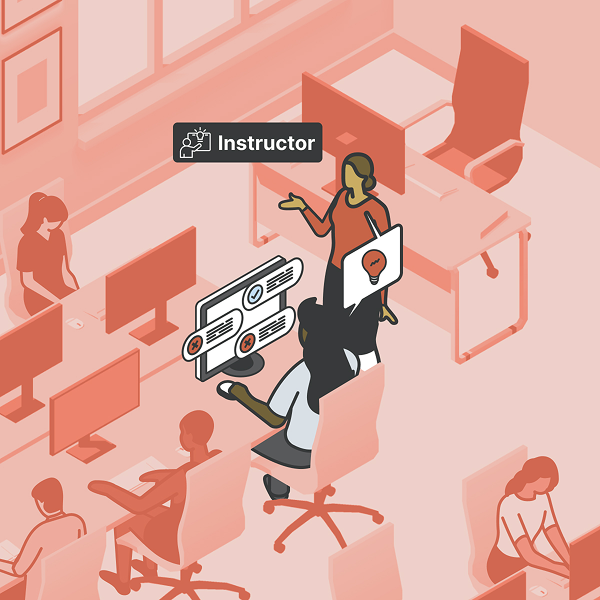
Feedback is prompt and relevant information is provided to students about their performance, helping them make immediate and informed adjustments to enhance their learning and understanding. Timely feedback engages students, facilitates self-regulation, addresses misconceptions, builds confidence, and promotes a growth mindset. Targeted feedback means that specific and cumulative information is provided to students based on their individual performance. It addresses their unique strengths, weaknesses, and areas for improvement, guiding students toward a deeper understanding of the course content and supporting their ongoing learning progress.

Mistakes become learning opportunities
When students make mistakes, they are encouraged to reflect on what went wrong. When they receive targeted feedback, they have an opportunity to adjust their approach, deepening their understanding of the subject matter. This approach fosters a growth mindset, where students view errors and mistakes as integral to the learning process rather than as failures, enabling students to incrementally build their academic self-confidence in the subject.
Instructional Examples & Submissions

Instructional Examples
The Instructional Example Library features a wide range of digitally-enabled examples sourced directly from instructors who are using technology to implement evidence-based teaching practices in their courses. These examples focus primarily on math, chemistry, and statistics gateway courses, but are applicable across disciplines.
Visit the Instructional Example Library

Have an Example of Your Own?
Help us build our Instructional Example Library! We are looking for contributions from higher education instructors across disciplines who use technology to enable evidence-based teaching practices. To learn more and to submit an example, please visit the form page linked below. Thank you for helping us support the field.
Submit an ExampleFurther Reading
- "Alternatives to High-Stakes Assessments", written by Cataldi's Center for Teaching, Learning, & Outreach, offers strategies for implementing frequent, low-stakes assessments and an example of how a professor might implement them throughout a general chemistry course.
- The Equity Accelerator details a trust-building feedback approach in their article, "Creating a Wise Feedback Framing Statement".
Explore Another Practice

Active Learning
Decrease professor lecture time and increase student participation in learning.
Learn More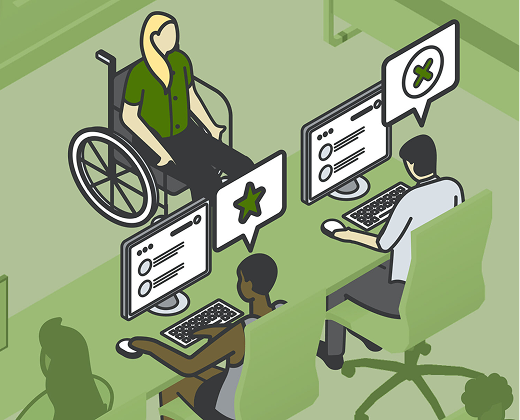
Assessing & Activating Prior Knowledge
Determine what students already know and integrate their experiences into learning.
Learn More

Formative Assessment & Practice
Deploy a frequent, low-stakes way to monitor student learning.
Learn More